Understand Sewage Treatment Plant and Their Impact on Industries
A sewage treatment plant (STP) is a system designed to clean used water from homes, industries, and public spaces — removing contaminants, harmful pathogens, and organic waste before releasing it back into the environment or reusing it safely.
Benefits of Sewage Treatment Plant
1. First and foremost, it is great for preventing environmental pollution
2. Reduces the risk of diseases, making it safer for both people and animals
3. Destroy ecosystems and also be harmful to the aquatic life
4. Contaminate drinking water sources
5. Helpful in recycling water for reuse, for instance, gardening, industrial use, etc
Whether you’re managing a township, factory, hotel, or institution – having a dependable STP system in place is no longer optional, it’s essential.
Common Types of STP Systems
Some common types of STP systems are:
1. Activated Sludge Process (ASP): It uses air and bacteria to break down waste in the water. It is best suitable for municipal and large housing societies.
2. Sequential Batch Reactor (SBR): It treats sewage in batches using aeration and settling tanks. It is best suitable for medium-sized industries and hotels.
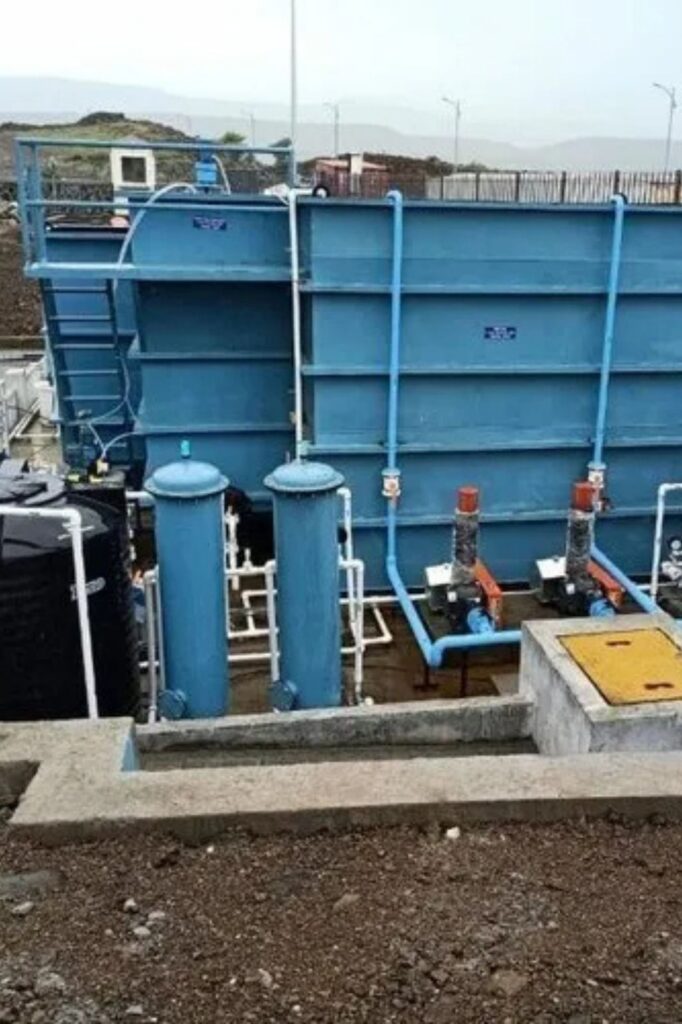
3. Moving Bed Biofilm Reactor (MBBR): It uses plastic media for bacteria to grow on, which is actually helpful to treat the water faster. This type of STP is suitable for compact, low-maintenance setups like our Packaged STP Plant Manufacturers in india , ideal for quick installation and limited space consumption.
4. Membrane Bio Reactor (MBR): It combines biological treatment with filtration for high-quality output. It is suitable for high-purity reuse, such as for hospitals and labs.
5. Submerged Aerated Filter (SAF): It passes sewage through media and air bubbles to promote bacterial growth. This type of STP is likely suitable for small communities or hotels.